

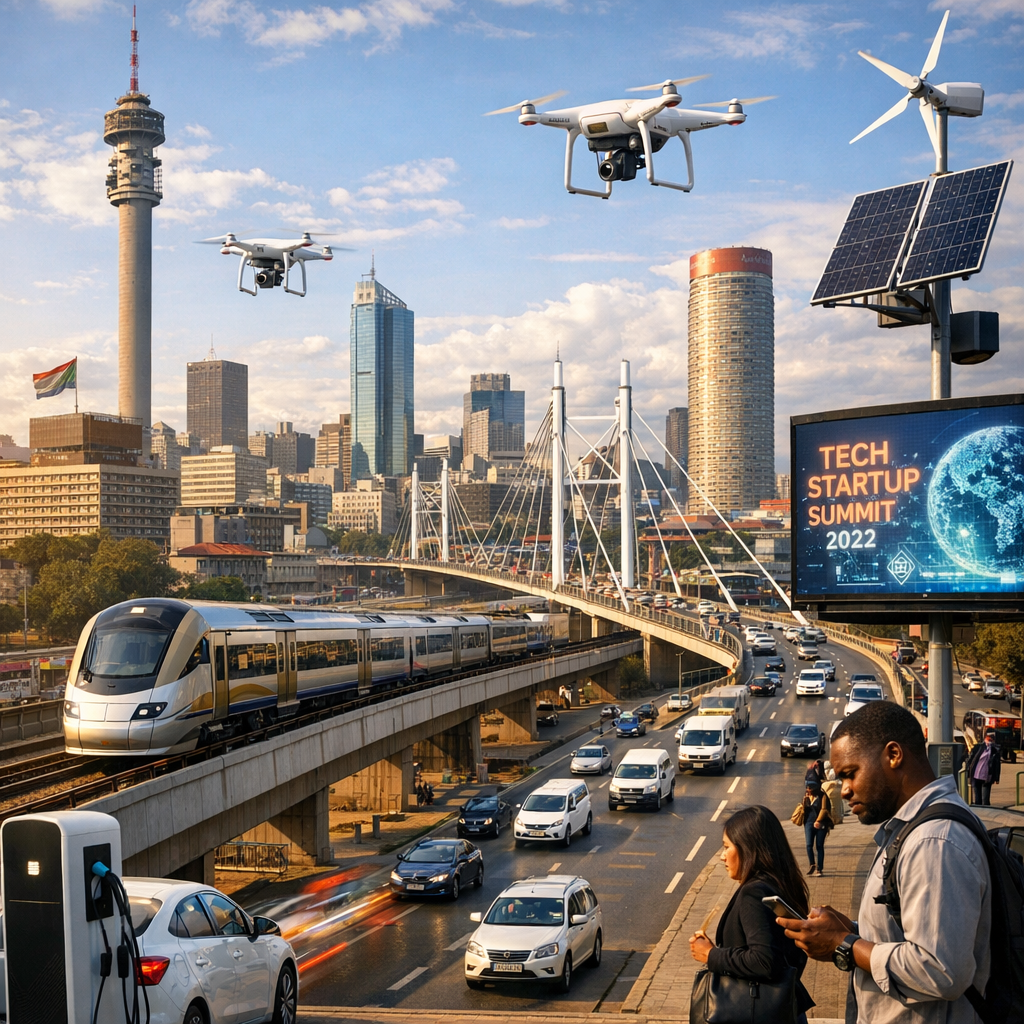
The global economic landscape in 2026 is characterized by moderate growth, technological advancements, and geopolitical tensions. These factors collectively influence economies worldwide, including South Africa.
Global Economic Overview
According to the International Monetary Fund (IMF), global growth is projected at 3.0% for 2026 and 3.4% for 2027. This outlook reflects a balance between technological advancements, such as artificial intelligence (AI), and challenges like geopolitical conflicts and energy price volatility.
Impact on South Africa
South Africa’s economy has shown resilience amid global uncertainties. The IMF highlights the country’s efforts in maintaining macroeconomic stability and controlling inflation. However, challenges persist, including slow economic growth, high public debt, and significant unemployment rates.
To unlock its economic potential, South Africa is encouraged to pursue policies focusing on low and steady inflation, a sound financial system, and healthy government finances. Structural reforms, particularly in infrastructure sectors like electricity and logistics, are crucial for sustained growth.
Technological Advancements and Opportunities
The global emphasis on AI and technological innovation presents opportunities for South Africa. By investing in technology and fostering innovation, the country can enhance productivity and competitiveness on the global stage.
Conclusion
While the global economic environment in 2026 poses challenges, it also offers avenues for growth. Through strategic policy implementation and embracing technological advancements, South Africa can navigate these shifts effectively.