

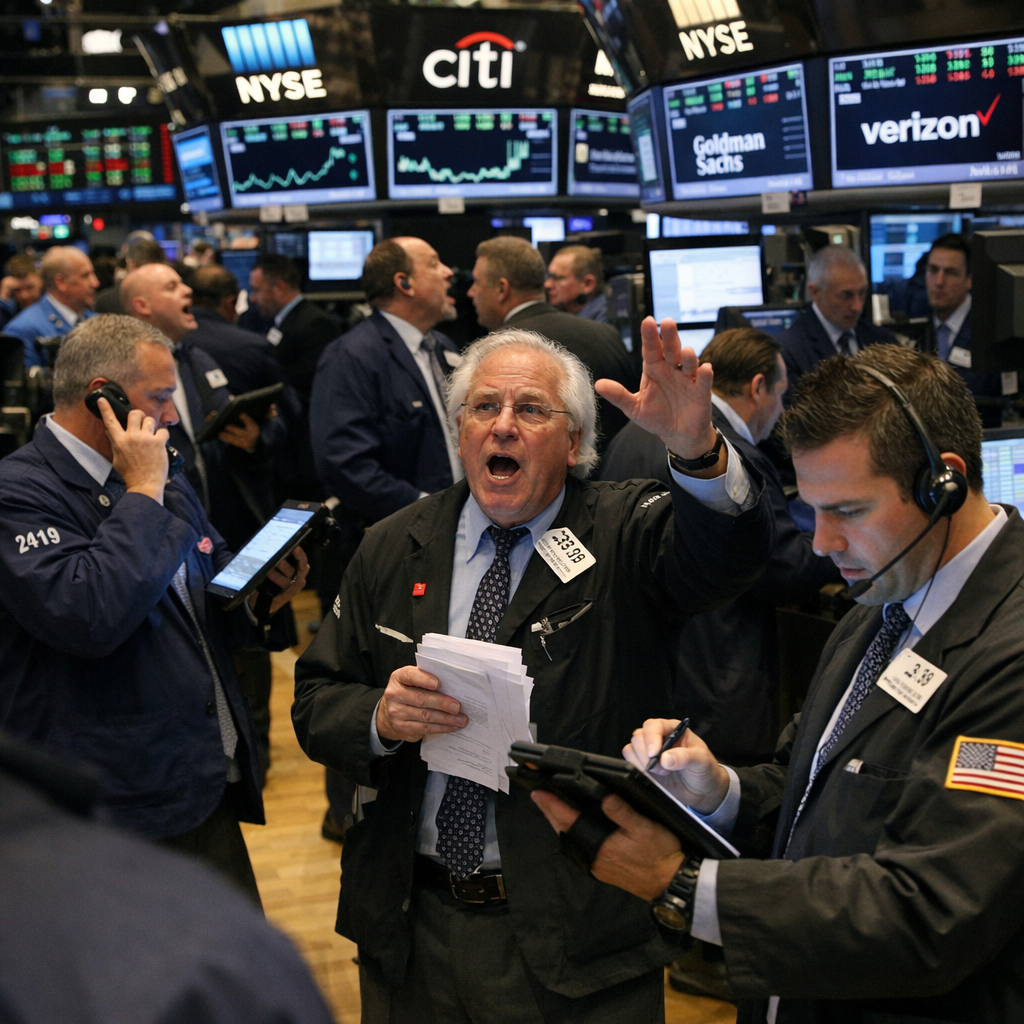
The United States economy is currently experiencing a period of moderate growth, marked by a complex interplay of factors influencing its trajectory. As of early 2026, the nation has demonstrated resilience amidst policy shifts and global uncertainties.
Economic Growth and Employment
In the first quarter of 2026, the U.S. economy expanded at an annualized rate of 2%, reflecting steady, albeit modest, growth. The labor market has shown signs of recovery, with April figures indicating the addition of 115,000 new jobs and an unemployment rate holding steady at 4.3%. This uptick suggests a positive momentum compared to the previous year.
Inflation and Consumer Spending
Inflation remains a pressing concern, with the Consumer Price Index rising to 3.8% year-over-year in April 2026, the highest since May 2023. This increase is driven by escalating prices in essential sectors such as fuel, groceries, and utilities. Consequently, consumers are experiencing a decline in real incomes, leading to cautious spending behaviors.
Trade Dynamics and Tariffs
Trade policies continue to shape economic outcomes. In March 2026, the U.S. trade deficit widened to $60.3 billion, influenced by a significant surge in imports, particularly in the automotive and technology sectors. The administration’s tariff strategies have introduced volatility, affecting both domestic industries and international trade relations.
Federal Reserve Policies
The Federal Reserve faces the challenge of balancing inflation control with economic growth. Under the leadership of Chairman Kevin Warsh, the Fed is deliberating on interest rate adjustments to address inflationary pressures while supporting the labor market. These decisions are critical in maintaining economic stability.
Public Sentiment and Political Implications
Public perception of the economy remains cautious. Surveys indicate that approximately 28% of Americans rate the economic conditions as excellent or good, reflecting a tempered optimism. This sentiment is poised to influence the upcoming midterm elections, with economic performance being a pivotal issue for voters.
In summary, the U.S. economy is navigating a landscape of moderate growth, inflationary challenges, and evolving trade policies. The interplay of these factors will be instrumental in shaping the nation’s economic future in the coming months.