

In an increasingly interconnected world, global events have profound effects on national economies and societies. South Africa, as a prominent player on the African continent, is no exception. Recent international developments have presented both challenges and opportunities for the nation.
Economic Repercussions of Middle East Conflicts
The ongoing conflict in the Middle East, particularly the closure of the Strait of Hormuz, has led to a surge in global oil prices, surpassing $110 per barrel. This escalation has significant implications for South Africa, which relies heavily on imported crude and refined oil products. The increased fuel costs have strained the economy, affecting transportation, manufacturing, and the cost of living for ordinary citizens.
Record Fuel Price Hikes
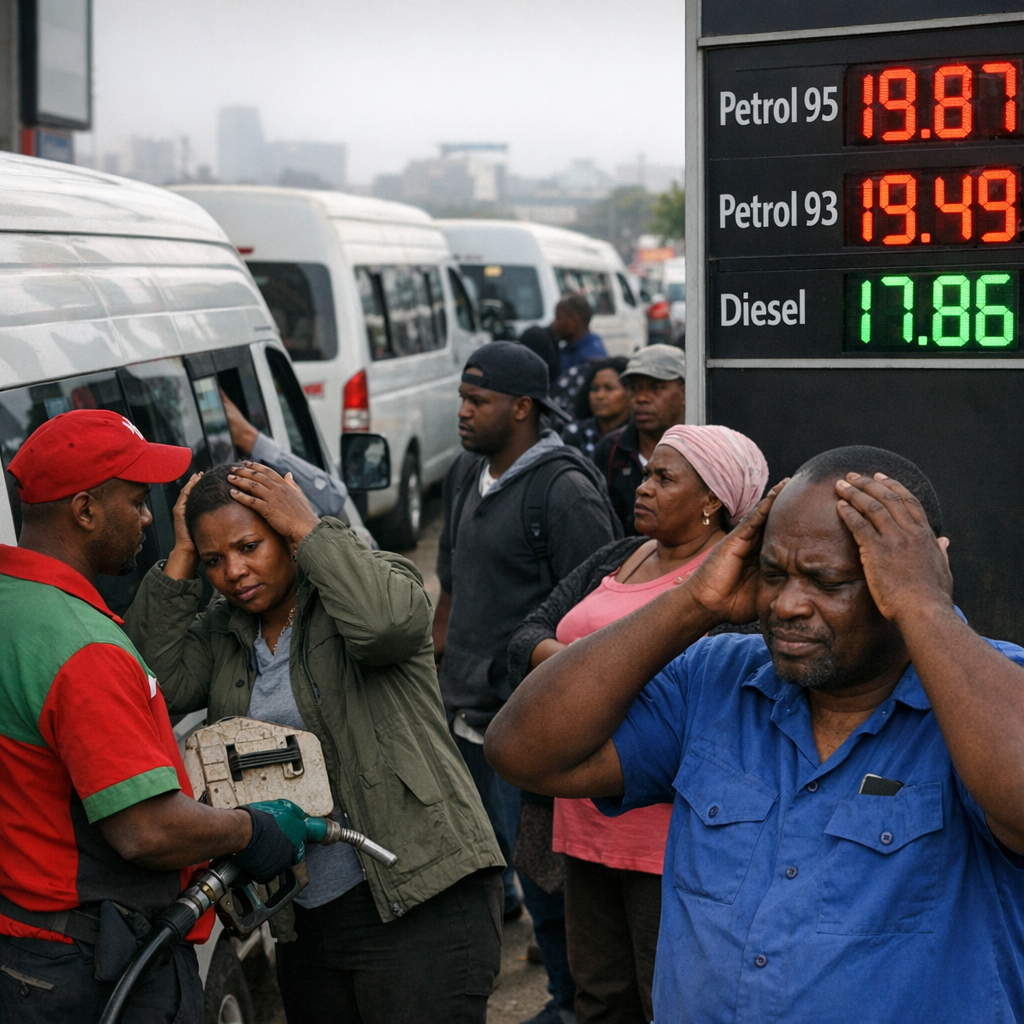
Compounding the situation, South Africa recently experienced unprecedented increases in diesel and gasoline prices. Despite government interventions, such as a temporary reduction in the fuel levy, the nation faced a diesel price hike of 7.51 rand per liter—the highest on record. This surge led to fuel shortages and panic buying, particularly in urban centers like Johannesburg. The rising fuel costs are expected to have a cascading effect on inflation, disproportionately impacting low-income households that rely on public transportation.
South Africa’s Role on the Global Stage
Amid these economic challenges, South Africa has also been at the forefront of significant international engagements. Hosting the G20 Leaders’ Summit in Johannesburg marked a historic moment as the first African nation to do so. Under the theme ‘Solidarity, Equality, and Sustainability,’ South Africa aimed to address pressing global issues, including debt sustainability and climate change. However, the summit highlighted deep global divisions, with notable absences and disagreements among member nations, underscoring the complexities of multilateral diplomacy.
Advancements in Renewable Energy
On a positive note, South Africa has made strides in promoting renewable energy. The Global Citizen NOW summit in Johannesburg concluded a year-long campaign to scale up renewables in Africa. The initiative secured pledges to unlock electricity access for over 17.5 million homes and deliver 26.8 gigawatts of clean energy across the continent by 2030. This commitment positions South Africa as a leader in the transition to sustainable energy, offering hope for economic growth and environmental stewardship.
In conclusion, while global events present challenges to South Africa’s economy and international relations, they also offer opportunities for leadership and innovation. Navigating these complexities requires strategic engagement and a commitment to sustainable development.