

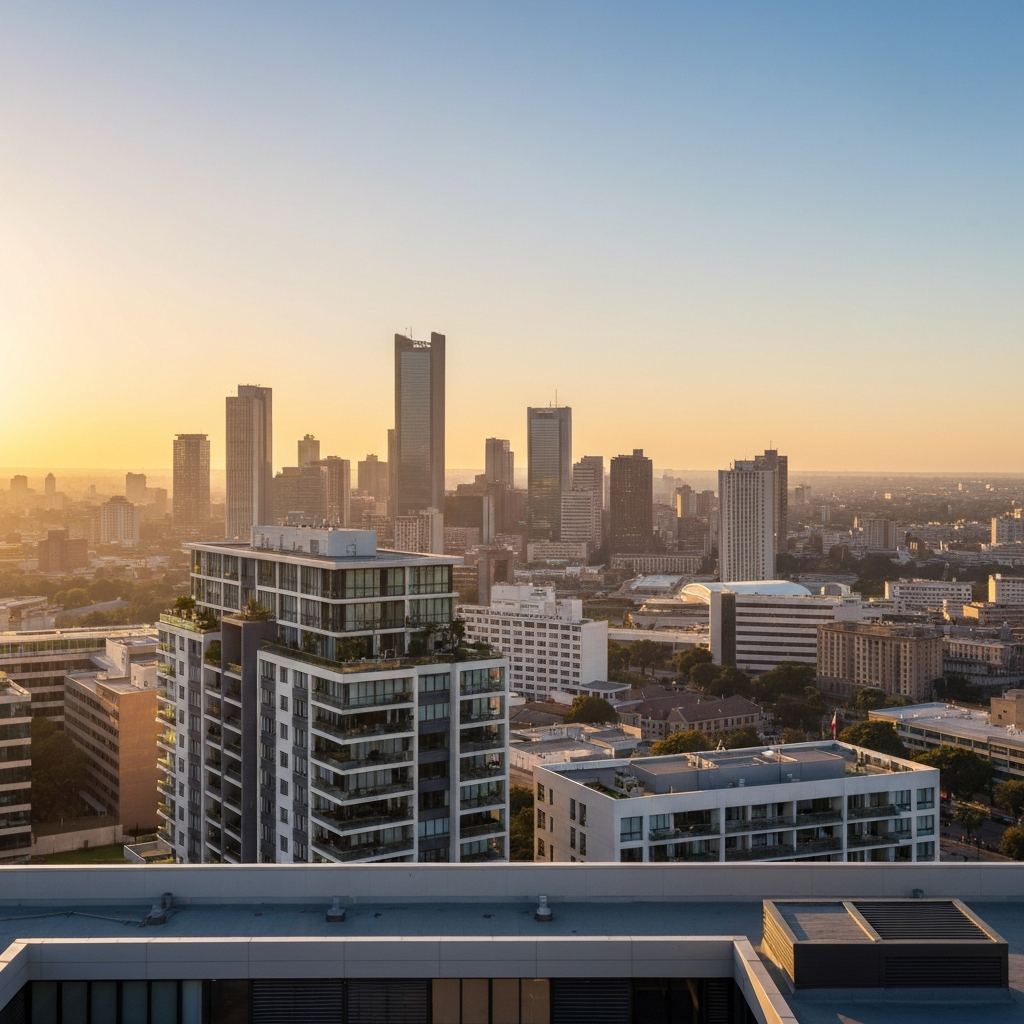
Johannesburg’s real estate market is experiencing significant shifts, presenting both challenges and opportunities for residents and investors. Understanding these trends is crucial for making informed decisions in this dynamic environment.
Rental Market Dynamics
The demand for high-end rentals in Johannesburg’s suburbs is on the rise. Professionals and executives are increasingly seeking secure estate living close to business hubs. Areas like Sandton, Morningside, Bryanston, Fourways, and Rosebank are witnessing rapid occupancy of well-positioned two- to four-bedroom homes, often within two to four weeks. Rental prices vary based on location and property features, with upmarket apartments and cluster homes in Sandton and Morningside ranging from mid-R20,000s to over R50,000 monthly. Bryanston offers freestanding and estate homes from the high R20,000s to R60,000+, while Fourways and Dainfern family homes start in the high-teens to mid-R20,000s, reaching R40,000–R60,000+ in prime estates. Rosebank’s high-end apartments and furnished houses, popular among corporate leases, generally range from R18,000 to R40,000+ per month. Security estates are particularly attractive, offering 24-hour manned gatehouses, CCTV, and lifestyle amenities like clubhouses and gyms. The rise of remote work has also increased demand for furnished homes, appealing to relocating executives seeking move-in-ready options. Source
Home Buying Trends
Johannesburg’s property market is witnessing a resurgence in sales volumes and prices. The city’s inclusion in the Global Power City Index has enhanced its appeal, attracting entrepreneurs and investors. Sales volumes in northern and affluent eastern suburbs have increased by up to 40% compared to the previous year, with average sale prices rising between 6% and 15%. This shift indicates a transition from a buyer’s to a seller’s market, especially in areas like Sandton, Rosebank, Melrose, Bryanston, and Waterfall. Properties in gated estates and boomed-off streets remain highly sought after, alongside a growing interest in new, upmarket apartment developments. Source
Local Developments and Investment Opportunities
Targeted urban regeneration projects are revitalizing Johannesburg’s inner city, making areas like Jewel City and Marshalltown attractive to first-time buyers and investors. These developments offer affordable entry points into property ownership, with entry-level units priced significantly lower than those in northern suburbs. Well-managed inner-city units yield rental returns between 8% and 11%, outperforming many suburban nodes. However, the success of these investments heavily depends on building management, security, and municipal reliability. Source
Established nodes like Rosebank and Sandton continue to anchor investor confidence. Rosebank, in particular, has become a premier walkable urban precinct, offering 30–40% better value than Sandton with equal lifestyle appeal. The area has seen a surge in sectional title sales, driven by its walkability, Gautrain access, and energy-secure buildings, leading to strong rental yields. Source
Midrand’s growth, especially around the Waterfall City development, reflects infrastructure-led expansion. This mixed-use precinct combines residential, commercial, and logistics components, appealing to younger buyers and professionals seeking integrated living environments. Source
In conclusion, Johannesburg’s real estate market is characterized by a dynamic interplay of rental demand, home buying trends, and local developments. Staying informed about these shifts is essential for residents and investors aiming to navigate the evolving property landscape effectively.